

Wall Clocks
Shop wall clocks that do more than tell time. Decorinall brings together compact and oversized designs, long and rectangular formats, and modern, minimalist, wooden and art clocks. You’ll also find selected digital LED displays, Roman numeral designs, silent movements, moving gears, pendulums and cuckoo clocks. Start with the space where the clock will hang. The available width and height can help you decide whether a compact round clock, a long or rectangular design, or a larger statement piece will suit the wall.
Once you have a sense of the right proportions, consider your preferences for the clock: analog or digital, silent or ticking, simple or more decorative. Then compare material, color and design to narrow the choices further. For something more distinctive, you can also explore clocks with LED lighting, moving gears, pendulums, chimes or animation.
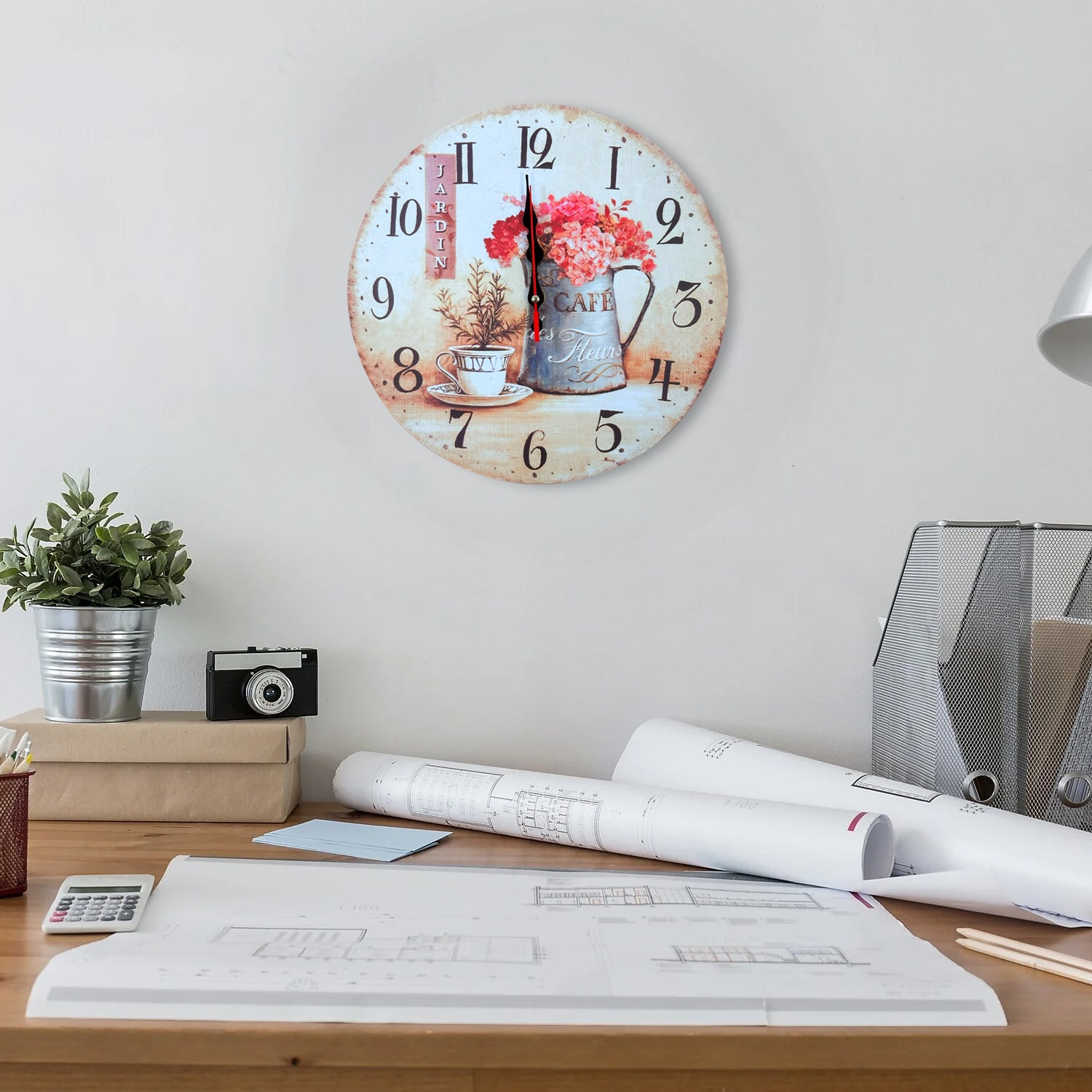

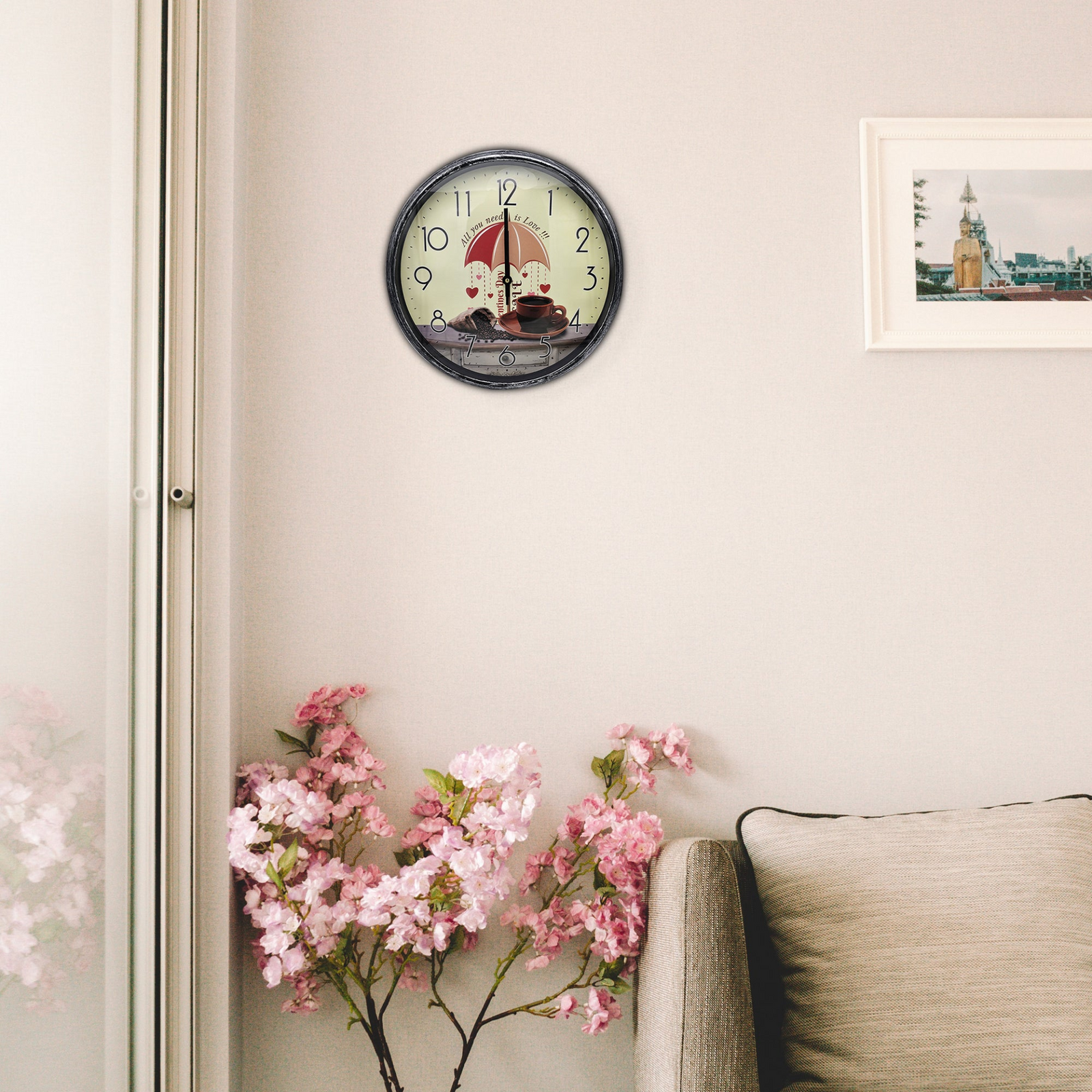

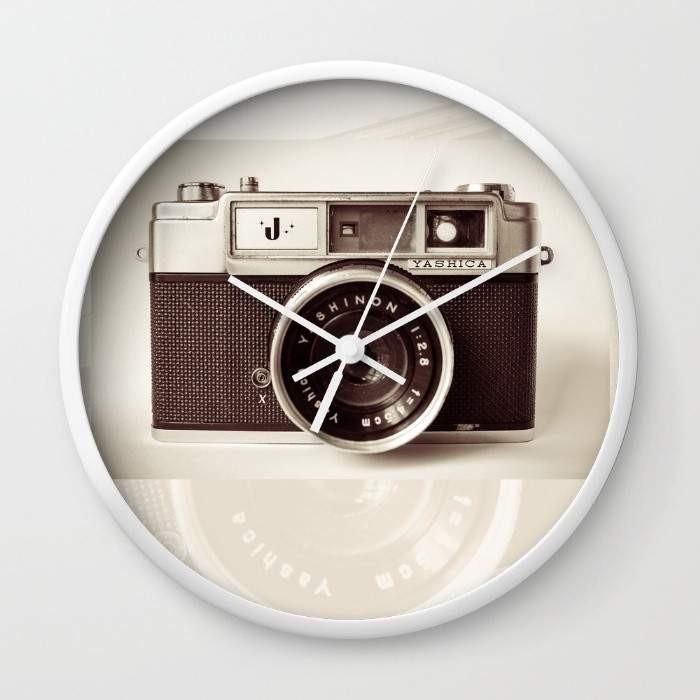

Camera Wall clock
$75.72 USD


The World Map Wall clock
$75.72 USD
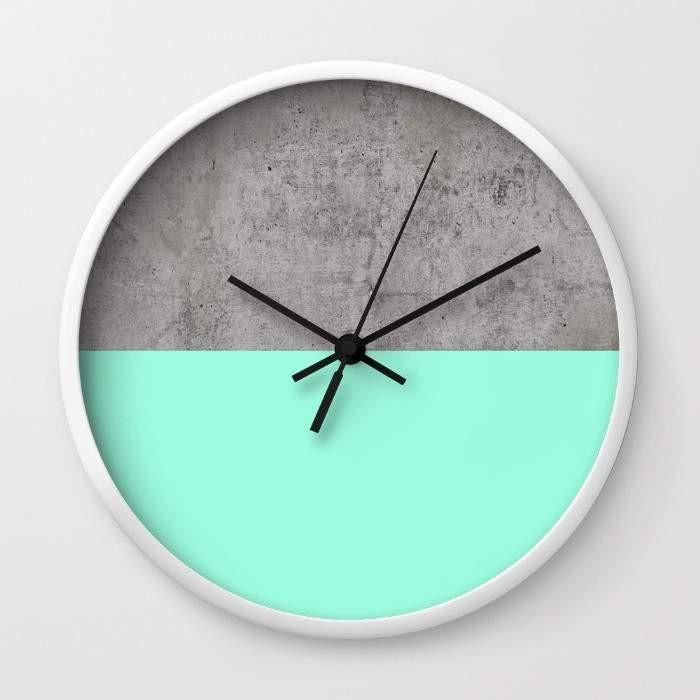

Sea on Concrete Wall clock
$75.72 USD
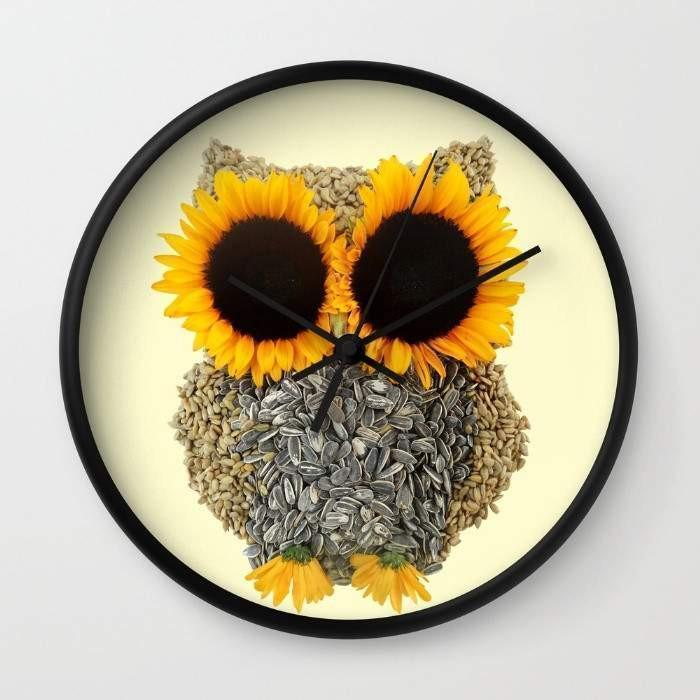

Hoot! Day Owl! Wall clock
$75.72 USD
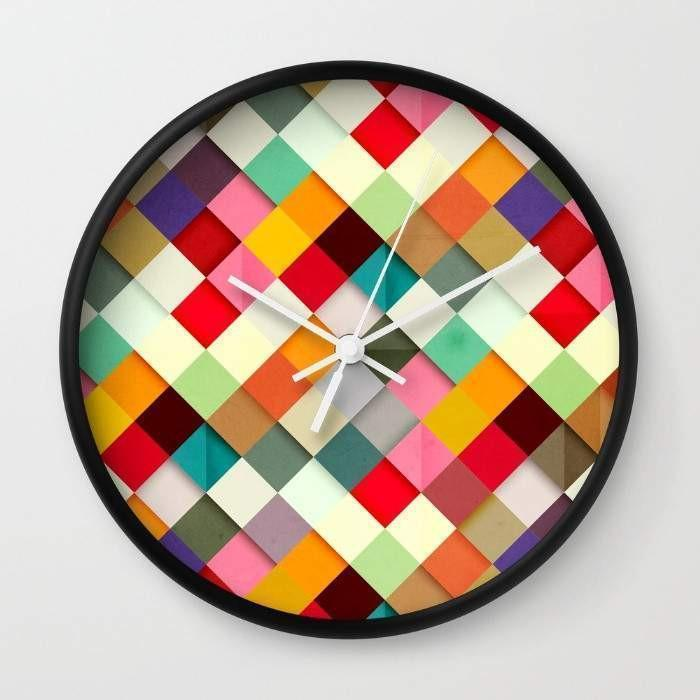

Pass this On Wall clock
$75.72 USD


YOU ARE MY FAVORITE Wall clock
$75.72 USD


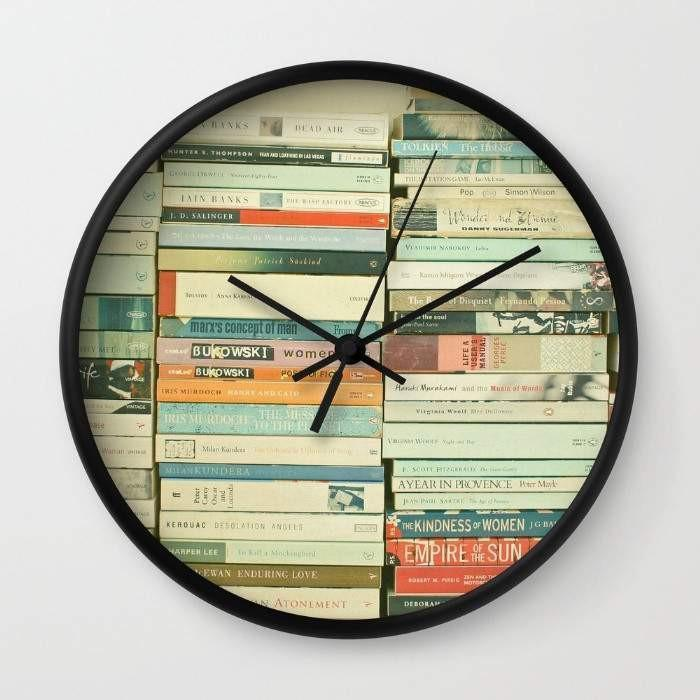

Bookworm Wall clock
$75.72 USD
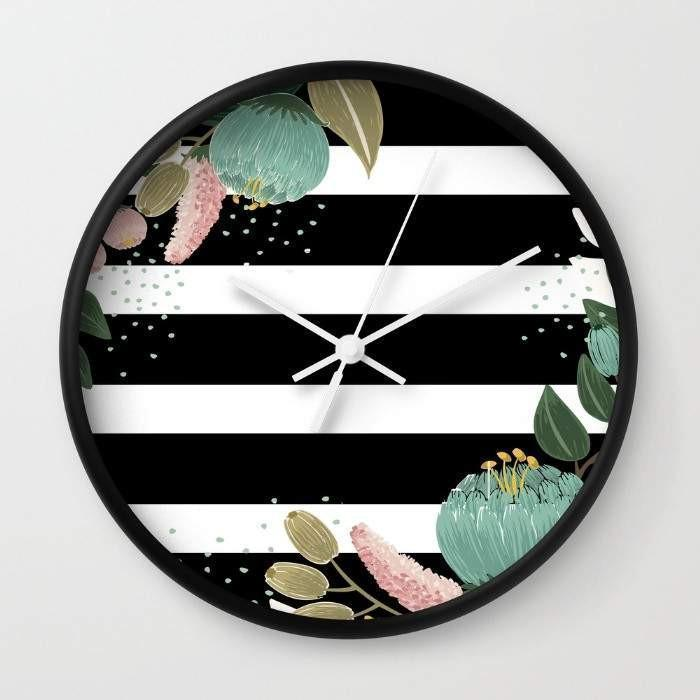

Fancy Lines Wall clock
$75.72 USD


Abraham Lincoln Wall clock
$75.72 USD
Choose a Wall Clock by Size and Shape
Before deciding on color or style, look at how much wall space you actually have. A clock that feels well-proportioned above a wide sofa may look too large beside a narrow doorway, while a small clock may feel swallowed up by a large open wall. That makes the actual dimensions of the clock an important part of the consideration. Decorinall’s current wall clocks range from compact designs to much larger statement pieces. One simple round analog clock measures about 9 inches, while the industrial moving-gears clock measures 46 cm / approximately 18.1 inches across. The illuminated Roman numeral design reaches 24 inches / 60 cm, and the frameless 3D DIY wall clock is available in sizes up to 130 cm / approximately 51.2 inches.
The clock’s size tells you how much wall space it will occupy, but its shape affects how that space is used. A round clock keeps its proportions centered, while a rectangular or elongated design can make better use of a wider section of wall. Taller designs, including selected pendulum and cuckoo clocks, can suit narrower wall sections where more vertical space is available. That means the best shape depends on the wall you’re working with. The best part is that the Decorinall collection gives you several formats to choose from, including traditional round clocks, rectangular wall clocks, elongated designs, and selected pendulum and cuckoo clocks that extend vertically.
Looking for a Long Wall Clock?
A long wall clock can be a good choice when a standard round clock does not suit the proportions of your wall. Some designs
extend horizontally across a wider area, while others use a tall, narrow profile that makes better use of vertical space. Our collection includes both formats. The black pendulum wall clock, for example, measures 10.5 × 55.5 cm, approximately 4.1 ×21.9 inches, giving it a slim vertical profile that can suit narrower wall sections with more height available. The large rectangular seaside art painted wall clock measures 60 × 40 cm, approximately 23.62 × 15.75 inches, making it better suited to wall sections that are wider than they are tall.
You’ll also find elongated digital and other rectangular designs. These are useful options when you want the clock to spread across the wall rather than occupy a more centered, circular area. When choosing between long wall clocks, think about the direction of the available space as well as its overall size. A tall design may make better use of a narrow vertical section, while a horizontal rectangular wall clock can suit wider areas where there is more width than height available. Before ordering, check the listed width, height and orientation to see which format best suits the wall space you have available.
Clocks for Living Rooms, Bedrooms, Kitchens and
Workspaces
The room can help narrow your options quickly because different spaces often call for different priorities. For a wall clock for the living room, first decide how much of a statement you want the clock to make. On a large open wall, an oversized clock, moving-gear design, bold roman numeral clock, pendulum clock or decorative art clock can become part of the room’s focal point. A long or rectangular wall clock can also work well where the available wall space is wider than it is tall. For a living room that already has artwork, shelving or patterned furnishings, a modern wall clock with a minimalist design can keep the wall from feeling overly busy.
If you prefer something more traditional, selected wooden, Roman numeral, pendulum and cuckoo clocks offer a different direction. Digital and LED wall clocks are another option when easy-to-read information or lighting features matter more than a traditional clock face. Once you have an idea of the style you want, consider placement. A wall clock in the living room should be easy to see from the areas where you spend the most time and should feel proportionate to the wall and nearby furniture. Measure the available space and consider the sofa, console, shelving or artwork around it before deciding on the final size and position.
For a bedroom wall clock, quiet operation can be just as important as appearance, especially when the clock is positioned near the bed. Selected Decorinall clocks use silent, non-ticking or sweep movements, making them useful choices for bedrooms where the sound of an audible tick could become distracting at night. A wall clock in the kitchen is most useful when the time can be read quickly while you are cooking or moving between tasks. A clear analog clock with minute markings, or a digital wall clock with a large display, can make a practical choice because you can check the time at a glance from across the room. This can also help when you want to keep track of how long something has been baking, simmering or cooking, although a dedicated timer is still better when an exact countdown is needed. If appearance matters as well, café, coffee and other illustrated designs can bring more character to the kitchen while still serving as an everyday timepiece.
Choose the room first, then ask what matters most there: size, visibility, sound, information display or decorative impact. That helps turn a broad collection into a much smaller group of suitable choices. Start with the room where the clock will be used, then think about what matters most in that space. In a living room, size and decorative impact may matter more; in a bedroom, quiet movement may be the priority; in a kitchen, quick readability can be especially useful. Thinking this way makes it much easier to narrow the collection to the clocks that best suit your needs.
Large and Oversized Wall Clocks
If you have a big open wall, a carefully selected large wall clock can do more than tell time. It can give the wall a strong focal point and help the space feel more complete. But choose a clock that feels proportionate rather than simply selecting the largest size available. There are several larger options in the Decorinall collection. The 24-Inch LED Roman Numeral Wall Clock measures 60 cm across and offers a bold open-frame design, while the 46 cm Moving Gears Wall Clock, approximately 18.1 inches, combines a substantial round format with visible rotating gears. For an even larger statement, the frameless 3D DIY clock is available in sizes up to 130 cm / approximately 51.2 inches.
Before choosing a large or oversized wall clock, look at how much open wall will remain around it. A larger clock can suit a spacious, relatively bare wall, while a wall that already has artwork or other décor may need a more moderate size so the arrangement does not feel crowded.
Modern and Minimalist Wall Clocks
A minimalist wall clock may be a good fit when you want the timepiece to remain visually quiet rather than compete with artwork, patterned furnishings or other wall décor. Selected Decorinall clocks use uncomplicated faces, slim profiles, frameless construction or restrained materials. The Delta Clock, for example, uses lacquered MDF construction with silent operation, while a 12.5-inch slimline black clock combines a round format, glass cover and silent-sweep quartz movement. The large frameless 3D design takes minimal styling in another direction. Separate numbers are mounted directly to the wall, removing the traditional outer clock frame.
Digital and LED Wall Clocks
A digital wall clock can be a practical choice when you want more information visible at a glance than the time alone. The 14-Inch digital LED wall clock, for example, displays the time, date, weekday and temperature together and includes eight daily alarm settings. Some LED wall clocks are digital, while others are analog. On a digital LED clock, the illuminated display itself shows the time and other information, so the lighting is part of how the clock functions. The 14-Inch digital LED wall clock alluded to stays continuously illuminated when connected to external power; when operated from batteries alone, the display turns off after approximately 5–10 seconds.
An analog LED wall clock works differently. The hands and numerals remain visible without the light. Its LED lighting is an extra illumination or decorative feature. The 24-Inch LED Roman Numeral Wall Clock, for example, uses traditional hands and Roman numerals for timekeeping, along with a sound-activated light that switches off after approximately 50 seconds.
Analog, Silent and Ticking Wall Clocks
If you prefer a traditional clock face, an analog wall clock gives you the familiar combination of hands with numerals or markers. From there, think about where the clock will hang and whether the sound of its movement is likely to matter to you. In a bedroom, study or quiet workspace, even a regular ticking sound may become noticeable when the room is otherwise still. In those spaces, a silent or non-ticking wall clock may be the more comfortable choice. Selected Decorinall clocks offer this type of movement: the 24-inch illuminated Roman numeral clock has a silent battery-operated movement, the Delta Clock is listed as silent, and the 12.5-inch slimline clock uses a silent-sweep quartz
mechanism.
If ticking does not bother you, there are traditional ticking options as well. Before choosing, check the movement details on the individual product page. Do not assume that every quartz clock is lent—look specifically for descriptions such as silent, non-ticking, silent-sweep or ticking so you know what to expect once the clock is on your wall.
Decorative Wall Clock Styles
When the clock is also part of your décor, the design can be just as important as the time display. Decorative wall clocks give you room to choose something that reflects the look or theme you want in the space. Decorinall’s art wall clocks include designs featuring world maps, cameras, seaside scenes, books, owls, flowers, Paris imagery, coffee themes and animals. Options such as the world map wall clock, camera wall clock, bookworm wall clock and floral designs let the clock bring artwork or a recognizable theme to the wall.
For something more playful, novelty wall clocks include designs such as football, cosmic-cat and kitten-and-bookshelf themes.
These can work well when you want the clock to feel more personal or contribute a noticeable decorative element rather than simply blend into the background.
Wooden Wall Clocks and Other Materials
For wood lovers, Decorinall offers wooden wall clocks as well as designs that combine wood with materials such as iron. The collection also includes clocks made with MDF, acrylic, plastic, plexiglass and glass. If you specifically want a wooden wall clock, check the listed material rather than relying only on a wood-look finish in the product photos.
Pendulum, Cuckoo and Chime Wall Clocks
If you are drawn to clocks with movement, sound and a more traditional character, Decorinall offers selected German-made cuckoo and pendulum clocks. Depending on the model, you may find pendulum movement, cuckoo calls, music, chimes or animated details. Some designs include moving owl or dog eyes, while larger traditional clocks can feature more elaborate animation such as a moving woodchopper.
These clocks offer a very different experience from a simple timepiece, so think about which features you would actually enjoy in your home. If you are considering a wall clock with pendulum and chime, check the overall size, how it is powered, which sounds or music are included, and whether the design includes movement or animation. A cuckoo or pendulum clock can be a good choice when you want the clock itself to become part of the room’s character, rather than simply sit on the wall and tell time.
What to Check Before Ordering a Wall Clock
Before making your final choice, take a moment to check the details that will affect how the clock fits, looks and works in your home:
- Size and orientation — confirm the width and height, especially for long, rectangular and oversized clocks.
- Shape and display — check whether the design is round, rectangular, frameless or vertically extended, and whether the time is shown with analog hands, Roman numerals or a digital display.
- Movement and sound — look for ticking, silent, non-ticking or sweep movement if noise matters in the room where the clock will be used.
- Material— check whether the clock is made from wood, MDF, acrylic, plastic, iron, plexiglass, glass or a combination of materials.
- Power requirements — confirm whether the clock uses batteries, external power or another operating system, and whether batteries are included.
- Lighting and special features — for clocks with LEDs, moving gears, pendulums, chimes, music, animation, alarms, date or temperature displays, check exactly how those features work on the individual product.
- What is included — review the package contents so you know whether any batteries, accessories or other required parts need to be purchased separately.